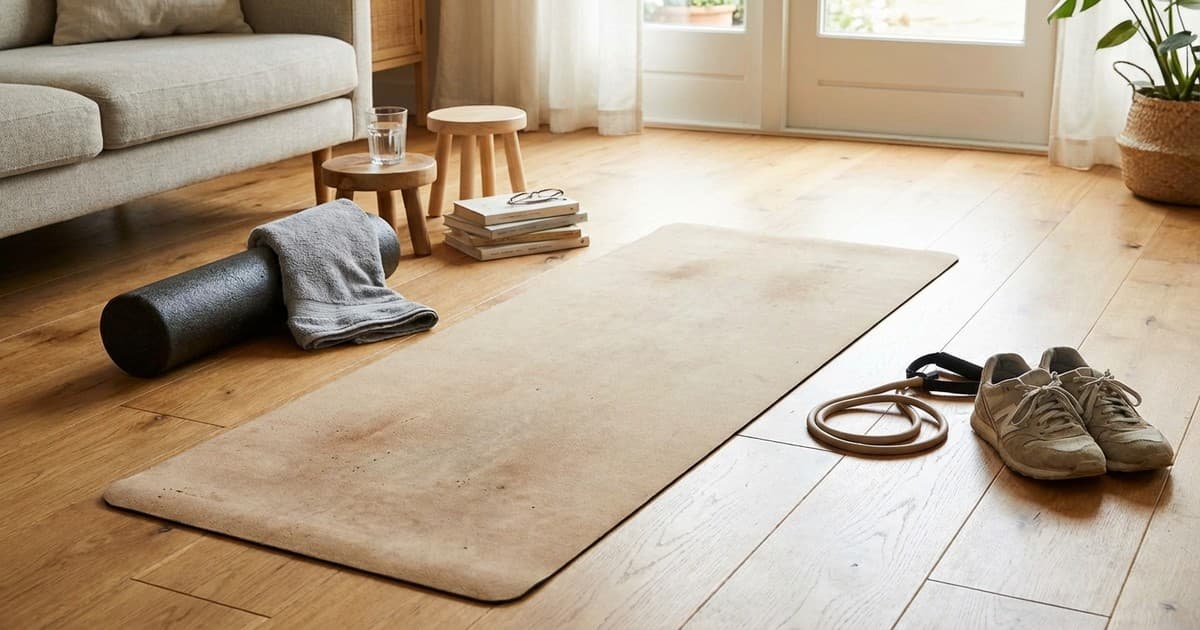
Today, as millions navigate the consequences of sedentary work-from-home habits, physical therapists are identifying a surge in chronic stiffness. The most effective solution for restoring flexibility is not high-intensity training, but daily five-minute low-impact movement sequences. These simple mobility routines for stiff joints target the synovial fluid, acting as a lubricant to ease movement. By prioritizing consistency over duration, individuals can maintain structural health without the need for specialized equipment or lengthy time commitments.
Starting the day with spinal lubrication
Morning stiffness often results from prolonged inactivity during sleep. To counter this, experts recommend the "Cat-Cow" stretch and controlled articular rotations for the neck and shoulders. These movements encourage the flow of nutrients to spinal discs and surrounding tissues. When performed for just sixty seconds each, they create an immediate baseline for functional movement that prevents micro-injuries during more strenuous activities later.
Focusing on the thoracic spine is crucial for those who spend hours hunched over keyboards. Simple rotations—sitting tall and turning the torso while keeping the hips stable—can alleviate mid-back tension. This specific routine targets the rib cage area, which often becomes rigid. By integrating these rotations into a morning habit, you ensure the upper body remains adaptable and less prone to the "frozen" sensation typical of modern office work.
Midday resets for lower body health
The hips are the body's primary power center, yet they are frequently the most neglected. To maintain agility, the "90/90" hip flow or deep lunges with a slight pelvic tilt are highly effective. These movements address the shortening of hip flexors caused by constant sitting. Incorporating these into a midday break disrupts the cycle of stiffness, ensuring the pelvis remains neutral and reducing pressure on the lower lumbar region of the spine.
Ankle and knee health is often overlooked until pain occurs. Simple ankle circles and calf stretches provide the necessary stimulus to keep the lower extremities mobile. These exercises improve gait mechanics and balance, which become increasingly important as we age. A quick two-minute sequence focused on the feet and ankles can drastically improve how the entire leg absorbs impact, protecting the more delicate joints of the knees and hips.
Consistency as the ultimate preventative measure
Adopting simple mobility routines for stiff joints requires less effort than most anticipate, yet the long-term rewards for musculoskeletal health are immense. The transition from a rigid lifestyle to a fluid one begins with small, deliberate actions taken daily. As we move further into 2026, the focus on preventative maintenance continues to grow. By dedicating five minutes to these movements, you are investing in a future of pain-free movement and physical independence.