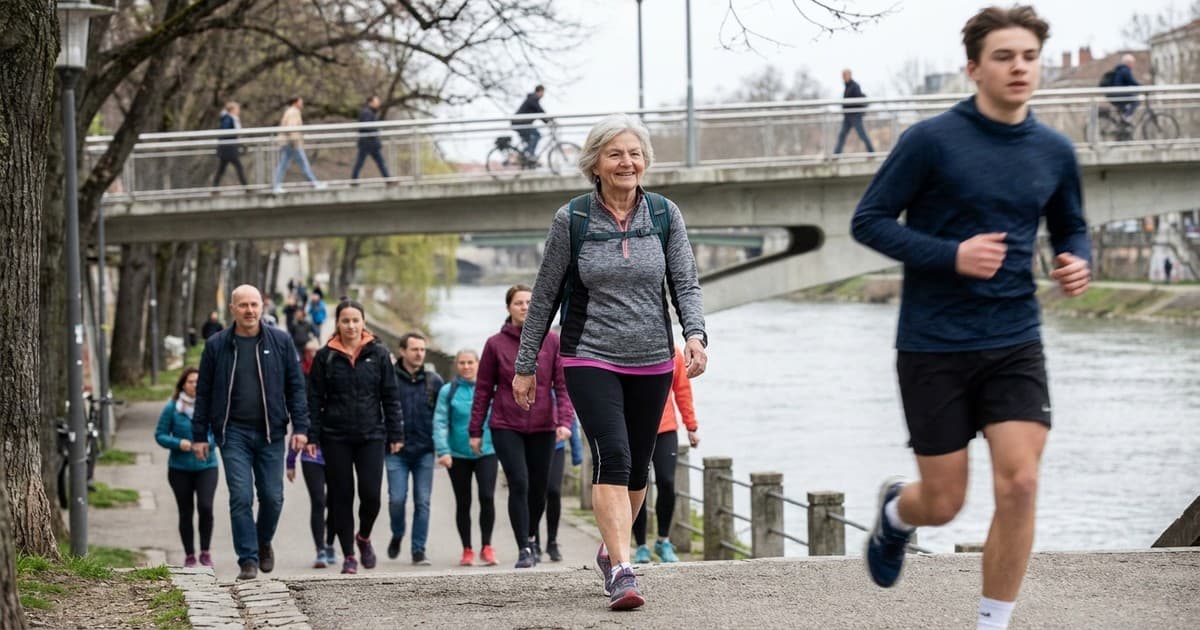
Fitness is often mistakenly equated with the hour spent in a gym. However, longitudinal health data now suggests that the physiological impact of consistent daily movement is the most reliable predictor of long-term fitness and metabolic resilience. While intense training has its place, the cumulative effect of low-intensity activity throughout the day—such as walking or standing—provides a more stable foundation for health as we age.
Recent physiological studies have fundamentally shifted our understanding of how the body maintains peak function over several decades. Data confirms that the frequency of activity matters more than peak intensity for the average person. This shift highlights a critical truth: long-term health is built through the accumulation of movement throughout every waking hour, rather than being concentrated into a single, exhausting session.
The physiological power of NEAT
Non-exercise activity thermogenesis, commonly known as NEAT, represents the energy we expend for everything that is not sleeping or intentional exercise. Experts now track this metric as a primary indicator of cardiovascular health. By choosing to walk or use a standing desk, individuals maintain higher insulin sensitivity and more stable blood glucose levels than those who remain stationary between their infrequent gym visits.
When we remain sedentary for long periods, the body begins to suppress lipase, an enzyme responsible for breaking down fats in the bloodstream. Even a brief stroll every thirty minutes keeps these metabolic processes active. This continuous engagement prevents the physiological stagnation that often leads to chronic conditions. It is the steady, daily movement that keeps the metabolic furnace burning consistently across the years.
Preserving functional mobility into old age
Long-term fitness is also about maintaining the range of motion and joint health required for an independent life. Frequent low-impact movement lubricates the joints and strengthens the connective tissues without the recovery tax required by heavy lifting. This approach reduces the risk of injury and ensures that the body remains capable of performing everyday tasks, which is the ultimate benchmark of functional longevity.
The latest clinical observations from 2025 indicate that those who prioritize movement snacks—short bursts of activity—experience significantly less age-related muscle wastage. By integrating movement into the natural flow of the day, individuals avoid the 'active sedentary' trap. This is a state where a person meets exercise guidelines but still experiences the negative effects of sitting for the remaining twenty-three hours.
The shift toward sustainable habits
Transitioning to a movement-first lifestyle does not require a complete schedule overhaul. It is about identifying opportunities within existing routines to increase physical engagement. Simple adjustments, like taking the stairs or walking during phone calls, provide significant dividends over time. These small choices aggregate into thousands of extra steps per week, creating a robust cardiovascular profile that is difficult to lose.
Ultimately, the most effective fitness strategy is the one that remains sustainable over decades. While gym trends come and go, the human body’s biological need for frequent motion remains constant. By focusing on consistent daily movement, individuals can secure their metabolic health and mobility for the long haul. This low-barrier approach ensures that fitness becomes an inherent part of life rather than a chore to be checked off.