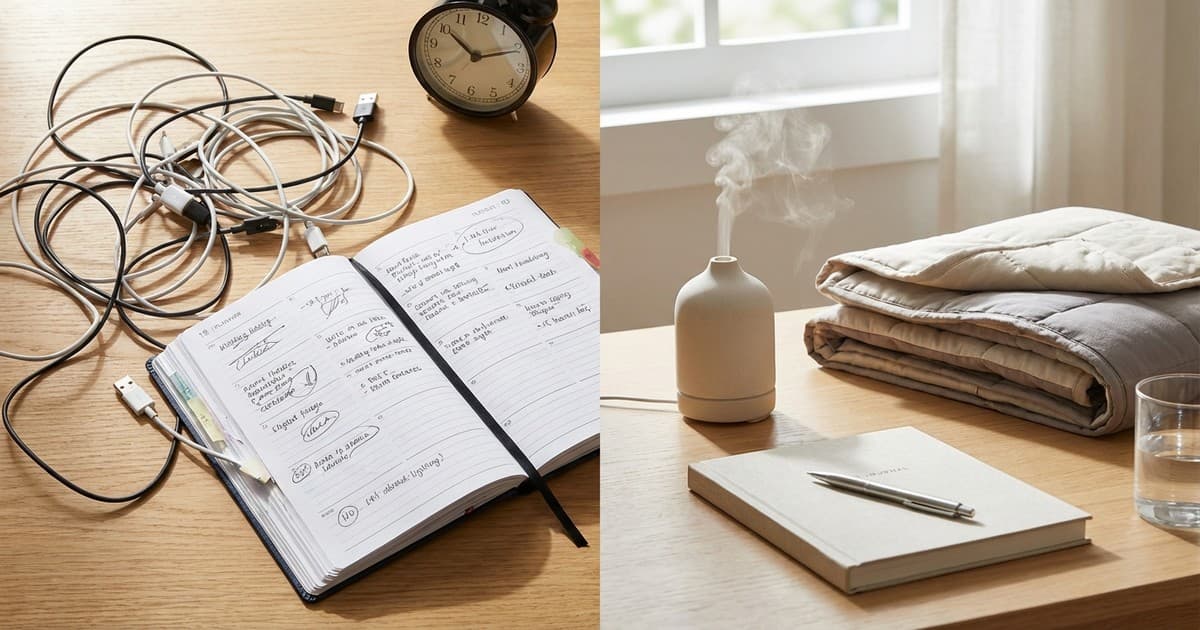
Persistent stress levels have reached a tipping point for many people this year, leading to a rise in burnout-related physiological symptoms. The most common signs of nervous system overwhelm include chronic sleep disruption, unexplained digestive issues, and emotional volatility. When these indicators appear, the body is stuck in a fight-or-flight loop that prevents natural recovery and requires immediate physical intervention.
To break this cycle, health experts recommend utilizing specific physiological tools such as vagus nerve stimulation and grounding techniques to return the body to a state of calm. Recognizing these early warning signs is the first step toward restoring long-term health and mental focus. By focusing on physical resets, individuals can bypass the cognitive loops of anxiety and address the root physiological cause of the distress.
Identifying the physiological red flags
One of the most telling signs of an overloaded system is a high resting heart rate or a feeling of being "wired but tired." This occurs when the sympathetic nervous system, responsible for the fight-or-flight response, remains dominant. You might notice that your startle response is exaggerated or that you are increasingly sensitive to loud noises and bright lights, indicating that your sensory processing is under significant strain.
Digestive health is another major indicator of autonomic health. Because the body deprioritizes digestion when it perceives a threat, chronic bloating or stomach discomfort often accompanies nervous system overload. Additionally, brain fog and a lack of concentration suggest that the brain is prioritizing survival over complex cognitive tasks. Identifying these patterns allows for a more targeted and effective approach to recovery.
Science-backed methods for a physiological reset
The fastest way to signal safety to the brain is through the breath. Techniques such as box breathing or a physiological sigh—two short inhales followed by a long, slow exhale—directly stimulate the vagus nerve. This nerve acts as the main highway for the parasympathetic system, the "rest and digest" mode. By extending the exhalation, you tell your brain that the immediate threat has passed, naturally lowering your heart rate.
Cold exposure is another powerful tool for resetting an overactive system. Splashing ice-cold water on your face or taking a short cold shower triggers the "mammalian dive reflex," which slows the heart and shifts the body into a calmer state. This physical shock forces the nervous system to recalibrate instantly. While intense, this method provides an almost immediate break from the feedback loop of chronic physiological stress.
Grounding, or spending time in direct contact with nature, also helps stabilize the body's electrical environment. Simple acts like walking barefoot on grass or practicing the 5-4-3-2-1 sensory method can pull the mind out of a spiraling state and back into the physical present. These practices reduce the production of cortisol and adrenaline, allowing the nervous system to finally begin the essential process of cellular repair.
Maintaining long-term autonomic balance
Consistency is vital when managing a sensitive nervous system. Integrating short, two-minute resets throughout the day can prevent the accumulation of stress that leads to total overwhelm. Rather than waiting for a crisis, proactively engaging in movement, social connection, and proper sleep hygiene ensures the system remains resilient. Understanding your body's unique signals is the best defense against the pressures of modern life.
Navigating the demands of 2026 requires a deeper understanding of our internal biological rhythms. While the signs of nervous system overwhelm can be disruptive, they are essentially the body's way of asking for a pause. By implementing physical resets like breathwork and cold exposure, you can regain control over your physiological state. Prioritizing these small interventions will lead to a more balanced and resilient future.