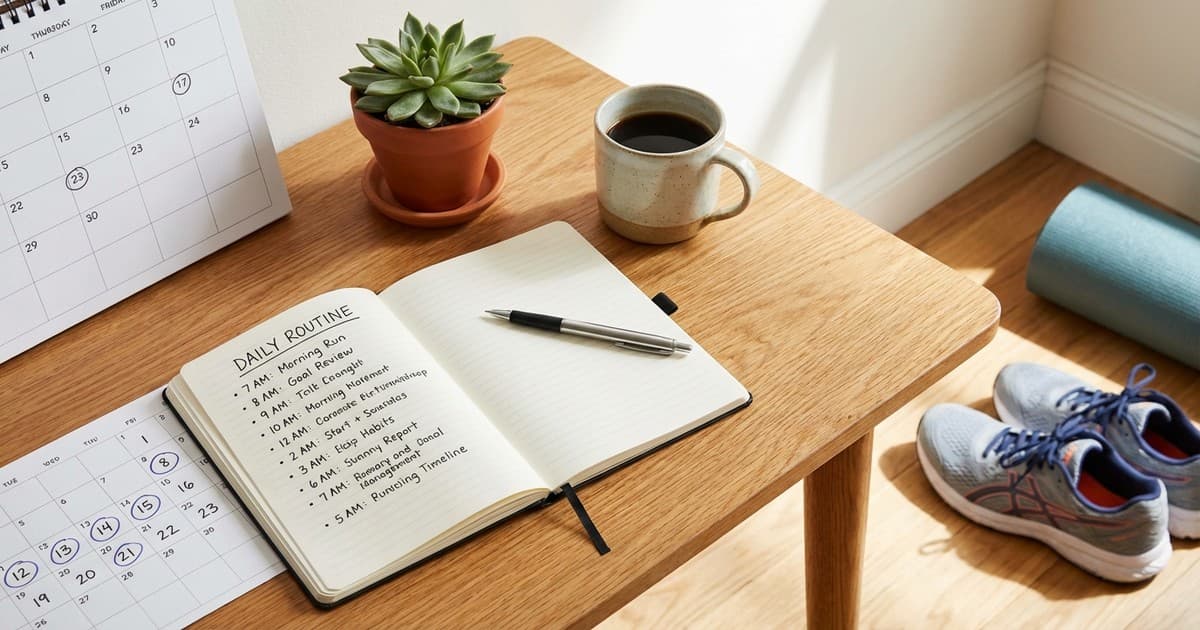
As the first month of 2026 unfolds, behavioral science reveals that the secret to lasting change is not intensity, but consistency. Many individuals find that grand resolutions fail by mid-January. However, the most effective way to build simple routines is through habit stacking and micro-commitments, which link new behaviors to existing patterns while minimizing the effort required to begin and sustain long-term progress.
The power of habit stacking
Habit stacking involves identifying a current daily habit and immediately following it with a new, desired action. This technique creates a neurological bridge. Instead of trying to remember a new task, you piggyback on the brain's existing circuitry. For example, "after I pour my morning coffee, I will write one sentence" creates an automatic prompt that requires zero extra willpower to start, making it a foundation for lasting change.
Embracing the micro-habit strategy
The concept of micro-habits is equally vital for long-term success. By scaling a goal down to a version that takes less than two minutes, you bypass the brain's natural resistance to change. If the goal is to read more, the routine should start with reading just one page. This approach prioritizes the act of showing up over the volume of work produced, which is essential for cementing a routine into your daily identity during 2026.
Engineering your environment
Environmental design also plays a critical role in supporting these efforts. Reducing friction—such as laying out gym clothes the night before—makes it easier to follow through. Conversely, increasing friction for bad habits, like placing a phone in another room, helps protect your focus. Simple routines are most resilient when the physical environment is engineered to make the desired choice the path of least resistance for the user.
Tracking and reinforcing progress
Finally, tracking progress through visual cues provides the dopamine hit necessary to maintain momentum. Whether using a digital app or a physical calendar, seeing a streak of successful days reinforces the habit loop. In the landscape of modern productivity, the focus has shifted from doing more to doing better. By keeping routines simple and anchored, anyone can transform abstract personal goals into tangible, daily realities this year.
To achieve lasting change, one must move away from the "all or nothing" mentality that often sabotages personal growth. Success in 2026 is defined by the small, repetitive actions that compound over time. By focusing on tiny wins and leveraging existing habits, you build a foundation that supports your largest ambitions. Simple routines are not a shortcut; they are the most reliable architecture for reaching your full potential.