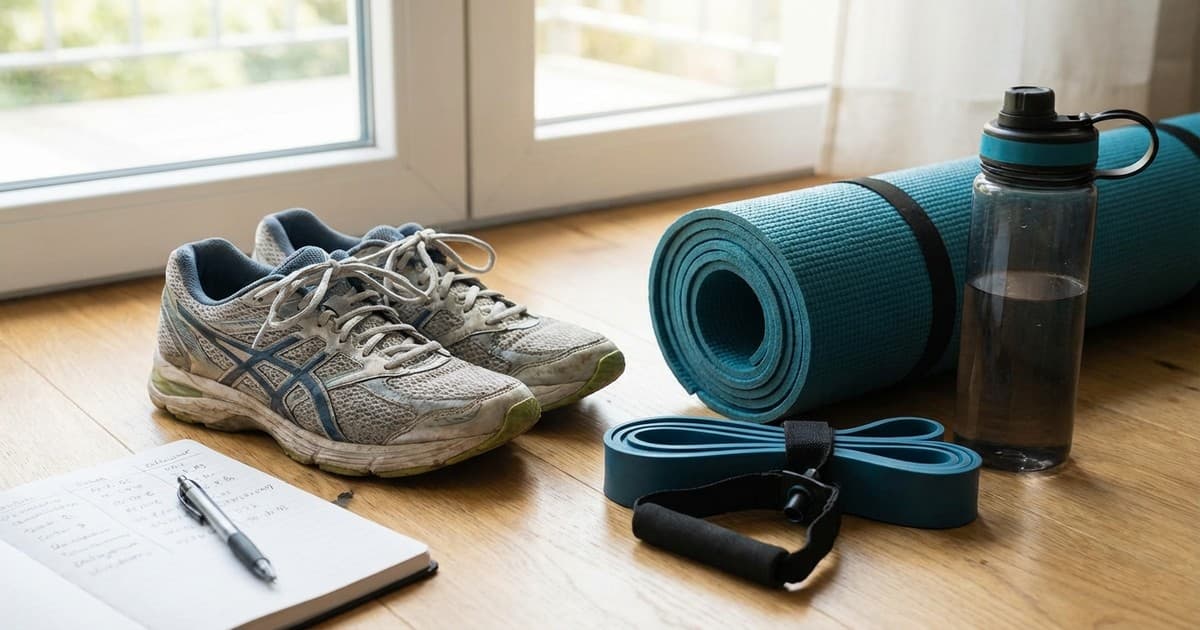
The most effective way to maintain skeletal integrity is through low-impact consistency and full range-of-motion exercises. Experts currently advocate for these specific daily movement habits for joint health to prevent the premature wear of cartilage. By prioritizing frequent, gentle activity over high-intensity strain, individuals can ensure their joints remain lubricated and functional, offsetting the damage caused by a sedentary lifestyle.
Today, the focus is shifting toward sustainable activity. These subtle adjustments help maintain the structural integrity of the skeletal system. By making movement a non-negotiable part of the daily schedule, we offset the physiological damage caused by inactivity, ensuring that our bodies remain resilient against the typical wear and tear of modern life and maintaining independence into older age.
The mechanism of joint lubrication
Human joints rely on a biological mechanism known as "the pump" to remain healthy. Unlike other tissues, articular cartilage lacks a direct blood supply and depends entirely on the circulation of synovial fluid for nutrients. Regular movement compresses and decompresses the cartilage, effectively pushing this lubricating fluid through the joint space. This process is vital for preventing friction and long-term degradation of the joint surface.
Strategic micro-breaks for desk workers
For those in office environments, static posture is a major contributor to joint discomfort. Breaking up long periods of sitting with micro-breaks every 30 minutes is essential. Simple actions like standing, reaching for the ceiling, or performing gentle ankle circles prevent connective tissues from becoming rigid. These small, frequent interruptions to inactivity help redistribute mechanical pressure across the spine and lower extremities.
Choosing low-impact activities
Incorporating low-impact activities like swimming or cycling provides necessary resistance to maintain bone density without the jarring force of high-impact sports. Water-based exercises are particularly beneficial, as buoyancy supports the body's weight while allowing for a full range of motion. This controlled resistance strengthens the muscles surrounding the joints, which serves to offload stress from the sensitive cartilage during movement.
Strengthening the support system
Muscle strength plays a critical role in joint preservation. When the quadriceps and glutes are weak, the knees and hips must absorb more force during daily activities. Targeted strengthening exercises create a natural shock absorber system for the body. Maintaining this muscular support ensures that the joints remain properly aligned and stable, reducing the likelihood of developing chronic inflammatory conditions over time.
Adopting these daily movement habits for joint health is not about intense athletic performance but about sustainable, lifelong activity. The transition from a sedentary routine to one focused on mobility can yield immediate improvements in flexibility. By prioritizing consistency and listening to the body’s signals, anyone can protect their skeletal integrity. Consistency remains the most powerful tool for ensuring a future defined by independence.