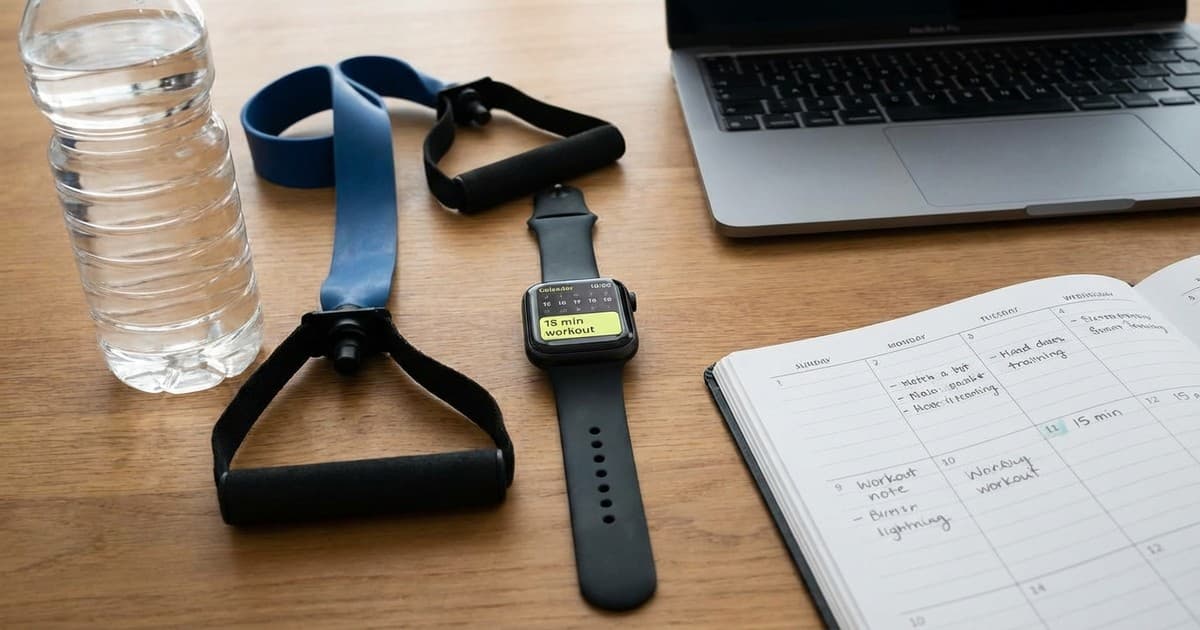
The challenge of balancing career demands with health has led to a significant shift in exercise habits. For those struggling to find time, the most efficient solution is 15-to-20-minute high-intensity interval training (HIIT) or 'exercise snacking' throughout the day. These fitness routines for busy schedules prioritize intensity over duration, ensuring metabolic benefits without the need for hour-long gym sessions.
Recent longitudinal data published this month confirms that consistency in short, frequent bursts is more impactful for long-term cardiovascular health than infrequent, longer workouts. This approach helps professionals maintain peak performance without sacrificing their professional obligations or family time. By focusing on quality over quantity, fitness becomes an integrated part of a high-performance lifestyle.
The science of minimum effective dose
The concept of the 'minimum effective dose' has gained significant traction among fitness professionals this year. Research shows that as little as 75 minutes of vigorous activity per week—spread across 15-minute daily sessions—provides longevity benefits comparable to much longer moderate routines. By focusing on compound movements and high heart rates, these sessions maximize caloric burn and muscle engagement in a fraction of the time.
Implementing high-intensity interval training
High-intensity interval training remains the cornerstone of time-efficient fitness. By alternating between maximal effort and short recovery periods, individuals achieve significant aerobic gains. A typical 20-minute session might include sprints or kettlebell swings. This method is particularly effective for improving heart health and metabolic rate, making it an ideal choice for the time-poor professional working on a tight timeline.
The rise of movement snacks
Beyond structured sessions, 'movement snacks' have emerged as a vital tool for sedentary workers. These are short bursts of activity, such as a two-minute brisk walk or one minute of air squats, performed every hour. Studies indicate that these interruptions to prolonged sitting can significantly lower blood glucose levels and improve mental clarity. They require no equipment and no change of clothes, removing common barriers to exercise.
Strength training with compound movements
When time is a constraint, strength training should prioritize compound movements that work multiple muscle groups simultaneously. Exercises like squats, deadlifts, and presses offer the best return on investment. A 15-minute routine focusing on these fundamentals twice a week can maintain muscle mass and bone density. This streamlined approach ensures that physical strength is not neglected during high-pressure professional periods.
The modern fitness landscape has moved away from the all-or-nothing mentality that once kept many professionals sedentary. By adopting high-intensity micro-workouts and integrating movement naturally into a calendar, health becomes a manageable part of a routine rather than a burden. As data supports shorter, more frequent bursts of activity, the barrier to a healthy lifestyle is lower than ever. Efficiency is now the primary metric.