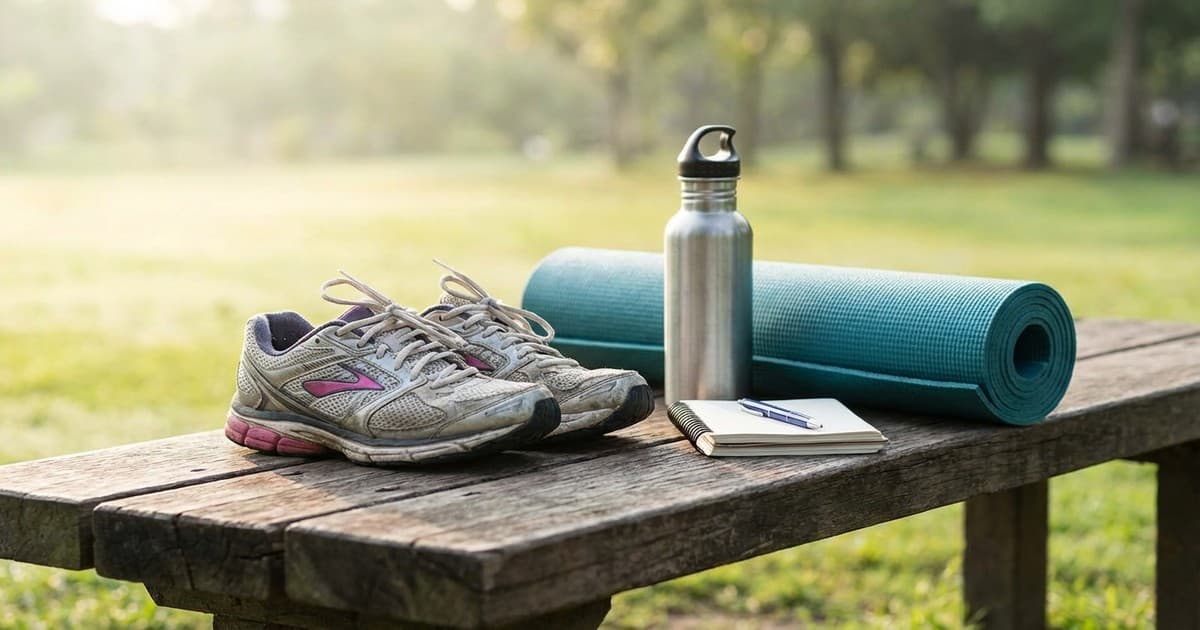
The pursuit of long-term health is shifting away from the exhausting "no pain, no gain" era. To build sustainable fitness habits, experts now emphasize prioritizing active recovery and maintaining an intensity level between 6 and 8 on the RPE scale for the majority of workouts. This methodology ensures physiological longevity while preventing the mental fatigue that often leads to abandonment.
Instead of the traditional New Year surge that historically leads to injury by mid-February, modern training favors a progressive loading system. This approach respects biological limits and treats fitness as a lifelong endeavor rather than a temporary sprint. By focusing on manageable increments, individuals can bypass the hormonal imbalances and systemic exhaustion associated with chronic overtraining and exercise burnout.
Breaking the cycle of high-intensity burnout
Many enthusiasts fall into a trap where sweat and exhaustion are the only metrics used to measure success. However, chronic high-intensity sessions without adequate rest lead to elevated cortisol and systemic fatigue. As 2026 began, sports scientists reiterated that "red-lining" every session is counterproductive. It creates a temporary spike in results followed by a total collapse in motivation and physical performance.
A cornerstone of modern training involves the 80/20 rule, where 80% of sessions remain at low-to-moderate intensity. This distribution allows the central nervous system to recover while building a robust aerobic base. When you adopt this strategy, you are less likely to experience the psychological dread associated with grueling workouts, making it significantly easier to maintain a schedule for years rather than weeks.
The evolution of recovery and longevity
Recovery is no longer viewed as a period of inactivity. Today, active recovery—including walking, mobility work, or low-impact training—is a mandatory component of a professional fitness regime. These low-stress movements increase blood flow to muscles without adding significant fatigue. Incorporating these habits prevents the overuse injuries that typically derail progress, ensuring that the body remains resilient and capable.
Mental burnout is just as debilitating as a physical injury. Establishing a routine that integrates into a lifestyle, rather than forcing a lifestyle to revolve around the gym, is essential. Flexibility in scheduling reduces the destructive "all or nothing" mindset. If a session is missed, the sustainable approach is to simply resume the next day. This psychological shift is what differentiates a temporary phase from a lasting habit.
Sustainable gains through consistency
Achieving lasting results requires a fundamental rethink of effort. By focusing on consistency rather than peak intensity, you can create a lifestyle that supports both health and productivity. Data confirms that those who train moderately but regularly consistently outperform those who train intensely but sporadically. Ultimately, the most effective workout is the one that allows you to return to the gym the following morning.