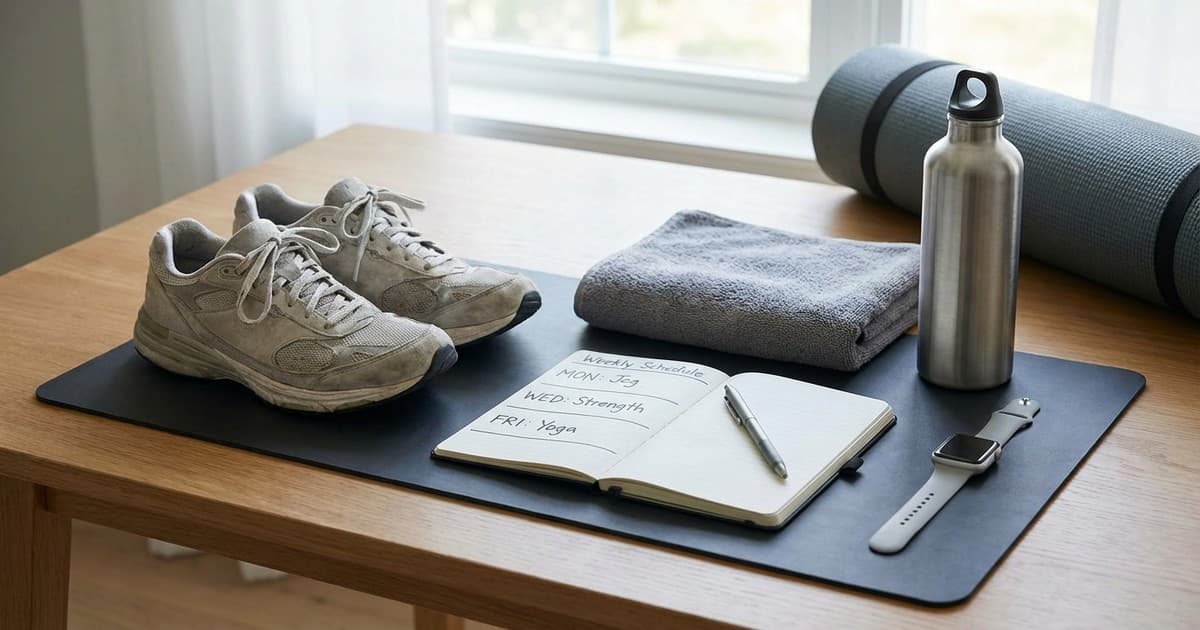
Millions of people start January with ambitious gym goals, only to find their motivation flagging by mid-month. The secret to success is simple: prioritizing low-intensity entry points and scheduled recovery blocks is the most effective way to build a consistent fitness routine and prevent long-term burnout.
By shifting the focus from immediate results to long-term habit formation, individuals can bypass the physical and mental fatigue that often leads to early abandonment. Experts agree that the "all-or-nothing" approach is the primary driver of failure in modern exercise programming. This strategic shift ensures that movement remains a sustainable part of daily life regardless of external stressors or changing schedules.
The power of the minimum effective dose
Behavioral scientists have long observed that the most resilient habits are those that begin with the least resistance. For a consistent fitness routine, this means setting a "floor" rather than a "ceiling." If you commit to just ten minutes of movement daily, the barrier to entry remains low enough to survive even the most stressful workdays. This method prioritizes exercise adherence over high-intensity performance during the early stages.
Integrating recovery to prevent burnout
True progress is made during rest, yet many enthusiasts view days off as a sign of weakness. To ensure fitness burnout prevention, your schedule must include dedicated workout recovery blocks. Overtraining often manifests as persistent fatigue or irritability. By scheduling active recovery sessions, such as light walking, you keep the habit alive without overtaxing the nervous system beyond its capacity.
Tuning into physiological feedback
Modern wearables have made it easier than ever to monitor how your body responds to stress. Tracking metrics like Heart Rate Variability (HRV) provides objective data on when to push and when to pull back. If these numbers indicate high physiological stress, pivoting to a lighter session is a win for longevity. This data-driven approach supports sustainable training by aligning effort with your actual recovery status.
Building a routine that lasts requires a fundamental shift in perspective. Instead of chasing the fastest possible results, the most successful athletes focus on staying in the game. By balancing intensity with recovery and lowering the barrier to daily participation, you create a system that can withstand life's disruptions. Ultimately, the most effective routine is the one you actually do without sacrificing your well-being.